From Obscurity Up Home

Category

Business & Culture

29 articles

When the Lights Went Out, She Learned to Read Buildings With Her Hands

When the Lights Went Out, She Learned to Read Buildings With Her Hands

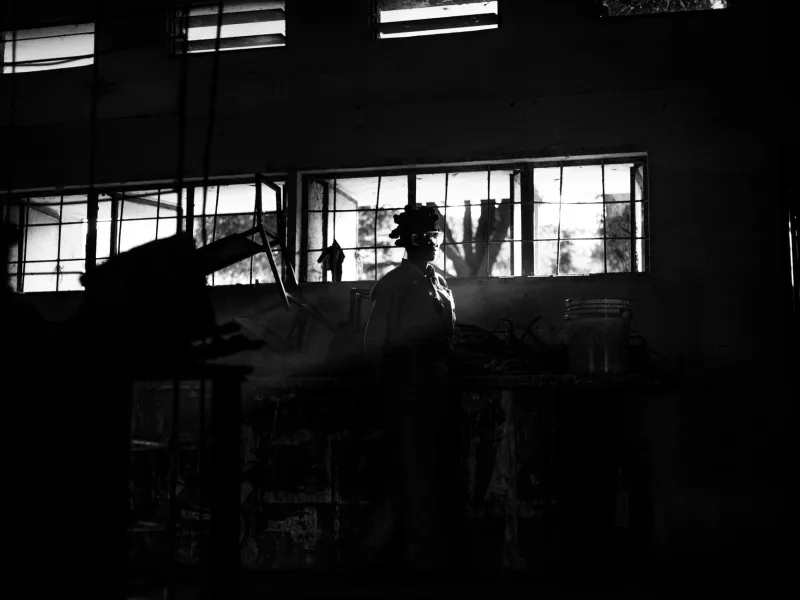
By twenty-two, she had a drafting table, a portfolio, and a future mapped out in clean architectural lines. Then she lost her sight — and discovered that everything she thought she knew about space was wrong. What came next reshaped how America builds the places where people live, work, and move through the world.

He Was Pouring Concrete When He Found Words That Had Been Silent for Centuries

He Was Pouring Concrete When He Found Words That Had Been Silent for Centuries

Ray Delacroix dropped out of high school at sixteen and spent twenty years building bridges in the American Southwest. When a highway project uncovered a stone fragment covered in markings no one could identify, most people on the crew walked past it. Ray didn't. What followed was an obsessive, self-taught journey that eventually put him in correspondence with the world's leading epigraphers—and changed what we know about a vanished civilization.

The Man Who Knocked on Your Door and Then Fought to Keep You Inside

The Man Who Knocked on Your Door and Then Fought to Keep You Inside

For years, Marcus Tillman was the guy nobody wanted to see pulling up to the curb. He repossessed cars, tagged properties, and worked the system like a machine — until the system started making him sick. What he built on the other side of that moral reckoning became one of the most consequential consumer protection stories in modern American history.

Shoeshine Stand to Security Council: The Tennessee Boy Who Listened His Way to the Top

Shoeshine Stand to Security Council: The Tennessee Boy Who Listened His Way to the Top

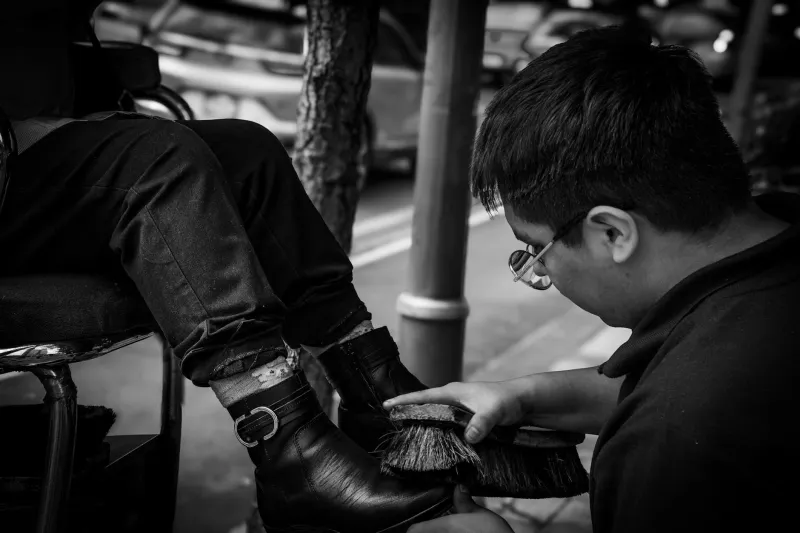
Carl Rowan spent his teenage years shining shoes outside one of the most powerful buildings in Washington D.C., absorbing the conversations of the men who ran the country. What he did with that education — one he was never officially given — eventually carried him from a segregated Tennessee childhood to a seat at the National Security Council. His is a story about what happens when proximity to power becomes its own kind of curriculum.

The Man Who Could Barely Write His Name Built a Library That Still Stands

The Man Who Could Barely Write His Name Built a Library That Still Stands

Anton Vukovic arrived in Granite Falls, Minnesota, with a steelworker's hands and a Croatian immigrant's hunger for the life books could unlock — even though reading them himself was a daily struggle. In 1931, he did what no educated reformer had managed to do: he gave his town its first public library. He mortgaged his house to do it. He hauled the first books there himself in a wagon.

Sermons to Chickens: The Alabama Boy Who Learned Courage Before Anyone Taught Him the Word

Sermons to Chickens: The Alabama Boy Who Learned Courage Before Anyone Taught Him the Word

Before John Lewis marched across the Edmund Pettus Bridge, before he took a seat in Congress, before he became the moral conscience of a generation, he was a barefoot kid in Pike County, Alabama, preaching to his family's chickens because no other audience was available. This is the story of those early years — the poverty, the hunger for knowledge, and the specific kind of courage that only comes from having nothing to lose and everything to believe in.

The Stuttering Salesman Who Talked His Way Into Broadcasting History

The Stuttering Salesman Who Talked His Way Into Broadcasting History

When Mel Tillis opened his mouth to speak, words scattered like startled birds. But when he sang, something magical happened — the stutter vanished completely. This is the story of how a Florida farm boy turned his greatest weakness into country music's most beloved trademark.

The Law School That Said No — And the Man Who Made It Pay

The Law School That Said No — And the Man Who Made It Pay

Thurgood Marshall applied to the University of Maryland School of Law and was turned away because of the color of his skin. Twenty years later, he stood before the Supreme Court and dismantled the legal architecture that made that rejection possible. The distance between those two moments is one of the most remarkable journeys in American legal history.